

Discover how hybrid conferences can maximize engagement by merging the best of in-person and virtual experiences. Unlock the future of event interaction!
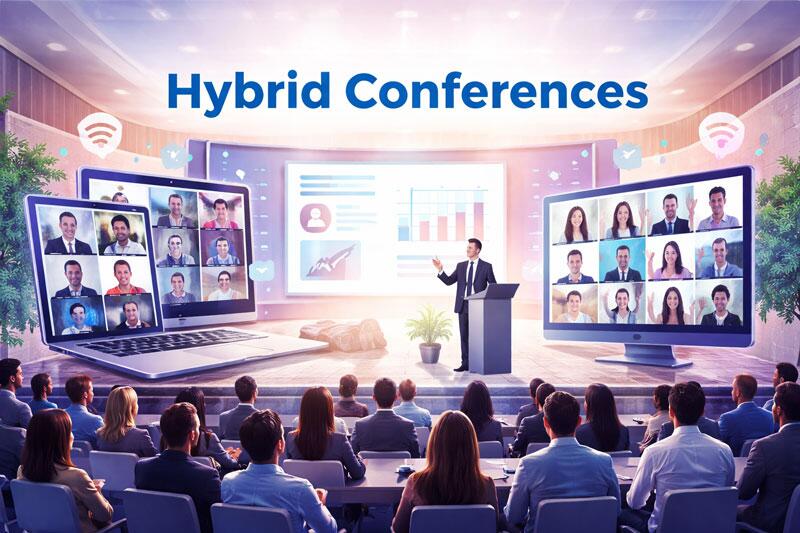
Understanding Hybrid Conferences
Hybrid conferences represent an innovative approach to event planning, combining in-person and virtual elements to create a holistic experience. These conferences allow participants to choose between attending physically or joining virtually from anywhere in the world. This flexibility is a key advantage, catering to a diverse audience with varied needs and preferences. By blending the traditional face-to-face interactions with the convenience of digital access, hybrid conferences offer a unique opportunity to capitalize on the strengths of both formats.
The concept of hybrid conferences has gained significant traction, particularly in response to the global pandemic, which necessitated a shift towards remote and virtual interactions. As organizations adapted to these changes, they discovered the potential of hybrid events to reach wider audiences without compromising the quality of engagement. This has led to a reevaluation of event strategies, with many seeing hybrid models as the future of conferencing.
The rise of hybrid conferences also reflects broader trends in digital transformation and the increasing importance of flexibility in professional and academic environments. As travel costs rise and environmental concerns grow, the ability to participate in high-quality events without the need for physical presence becomes increasingly valuable. Hybrid conferences, therefore, are not just a temporary solution but a lasting innovation that addresses the evolving needs of modern participants.
Benefits of Hybrid Conferences for Attendees
One of the most significant benefits of hybrid conferences for attendees is the flexibility they offer. Participants can choose to attend in person or virtually, depending on their personal circumstances, preferences, or health considerations. This choice can lead to increased attendance, as those unable to travel can still participate fully in the event’s activities and sessions. Additionally, the hybrid format allows for a more diverse audience, including international attendees who might otherwise have been excluded due to travel restrictions or costs.
Accessibility is another key advantage of hybrid conferences. Virtual attendance options enable individuals with disabilities, those with caregiving responsibilities, or those who face other barriers to physical attendance to engage with the content and network with other participants. This inclusivity can enhance the overall quality of the conference by bringing in a wider range of perspectives and experiences, enriching discussions and collaborations.
Networking opportunities are also enhanced in hybrid conferences. While in-person attendees can benefit from face-to-face interactions, virtual participants can take advantage of digital networking tools designed to facilitate connections. Features like chat rooms, virtual breakout sessions, and one-on-one meeting scheduling can supplement traditional networking methods, creating a more integrated and engaging experience for all. By leveraging technology, hybrid conferences ensure that every attendee can maximize their engagement and derive value from the event.
Key Features of Successful Hybrid Conferences
Successful hybrid conferences hinge on several key features that ensure both virtual and in-person participants have a seamless experience. One crucial element is high-quality streaming services. Ensuring that all live sessions are available in real-time with minimal lag and high definition is essential for maintaining engagement. This requires robust technological infrastructure and reliable internet connections to support smooth streaming without interruptions.
Interactivity is another hallmark of successful hybrid conferences. Incorporating interactive elements such as live polls, Q&A sessions, and real-time feedback mechanisms can keep participants engaged and encourage active participation. These tools help bridge the gap between virtual and physical attendees, creating a more cohesive and inclusive environment. Interactive elements can also enhance the learning experience, allowing attendees to contribute to discussions and feel more involved in the event.
Effective communication is also critical for hybrid conference success. Clear instructions and guidelines for both virtual and in-person attendees can help ensure that everyone knows how to access sessions, participate in activities, and utilize available resources. Providing dedicated support teams to assist with technical issues or logistical questions can further enhance the attendee experience. By prioritizing these key features, organizers can create hybrid conferences that are engaging, inclusive, and highly effective.
Technology Tools for Hybrid Event Management
The success of hybrid conferences relies heavily on the technology tools used to manage and deliver the event. One essential tool is a robust event management platform that can handle both in-person and virtual components seamlessly. Platforms like leconfe provide all-in-one solutions for registration, scheduling, and attendee engagement.. Additionally, they may offer integrated communication tools to facilitate interaction between participants.
Live streaming technology is another critical component of hybrid conferences. High-quality video and audio streaming services ensure that virtual attendees can experience the event in real-time, just like their in-person counterparts. These services often include features like live chat, replay options, and the ability to switch between different sessions, providing a flexible and interactive experience for virtual participants. Ensuring that the streaming technology is reliable and user-friendly is key to maintaining engagement.
Collaboration tools also play a vital role in hybrid conferences. Platforms like Zoom, Microsoft Teams, and Slack can facilitate communication and collaboration among attendees, regardless of their location. These tools allow for virtual breakout rooms, real-time document sharing, and interactive discussions, helping to bridge the gap between physical and virtual participants. By leveraging these technology tools, organizers can create a cohesive and engaging hybrid event that meets the needs of all attendees.
Engaging Virtual and In-Person Audiences
Engaging both virtual and in-person audiences in a hybrid conference requires a strategic approach that addresses the unique needs of each group. For in-person attendees, providing opportunities for face-to-face interactions and hands-on experiences can enhance engagement. This might include networking events, workshops, and interactive exhibits that allow participants to connect and collaborate in a tangible way. Ensuring that these activities are well-coordinated and accessible is key to maximizing in-person engagement.
For virtual attendees, creating an interactive and immersive experience is crucial. Utilizing technology tools like live polls, Q&A sessions, and virtual networking lounges can help keep virtual participants engaged and connected. Providing opportunities for virtual attendees to interact with speakers, participate in discussions, and connect with other participants can enhance their overall experience. Additionally, offering on-demand access to recorded sessions can provide flexibility and convenience for virtual attendees, allowing them to engage with the content at their own pace.
Bridging the gap between virtual and in-person audiences is also important for creating a cohesive hybrid conference experience. This can be achieved by incorporating interactive elements that involve both groups, such as live polls and Q&A sessions that allow all participants to contribute. Providing clear communication and support for both virtual and in-person attendees can also help ensure that everyone feels included and engaged. By taking a strategic approach to engaging both audiences, organizers can create a successful hybrid conference that maximizes participation and interaction.
Best Practices for Hybrid Conference Planning
Planning a successful hybrid conference requires careful consideration of several key factors. One of the most important is creating a comprehensive agenda that caters to both in-person and virtual attendees. This includes scheduling sessions at times that are convenient for participants in different time zones and ensuring that there are opportunities for interaction and networking. Providing a mix of live and pre-recorded sessions can also offer flexibility and accommodate different preferences.
Effective communication is also critical in hybrid conference planning. Providing clear and detailed information to all attendees about how to access sessions, participate in activities, and utilize available resources can help ensure a smooth and seamless experience. This might include sending out regular updates, creating a detailed event website, and offering dedicated support teams to assist with any questions or issues that arise. Clear communication can help set expectations and provide attendees with the information they need to fully engage with the event.
Another best practice is to leverage technology to enhance the hybrid conference experience. This might include using a robust event management platform, high-quality live streaming services, and collaboration tools to facilitate interaction and engagement. Ensuring that the technology is reliable and user-friendly can help prevent technical issues and maintain a high level of engagement. By following these best practices, organizers can create a successful hybrid conference that meets the needs of all participants.
Measuring Success: Metrics for Hybrid Conferences
Measuring the success of a hybrid conference requires a combination of quantitative and qualitative metrics that capture both in-person and virtual engagement. One key metric is attendance, which includes tracking the number of participants, their locations, and their participation in different sessions. This data can provide valuable insights into the reach and impact of the event, as well as highlight areas for improvement.
Engagement metrics are also crucial for measuring the success of a hybrid conference. This might include tracking participation in interactive elements like live polls, Q&A sessions, and networking activities, as well as monitoring social media activity and online discussions. These metrics can help gauge the level of participant engagement and identify which aspects of the event were most successful in capturing attention and encouraging interaction.
Feedback from attendees is another important metric for measuring success. This can be gathered through post-event surveys, feedback forms, and one-on-one interviews. Collecting and analyzing this feedback can provide valuable insights into the strengths and weaknesses of the event, and help identify areas for improvement in future hybrid conferences. By using a combination of quantitative and qualitative metrics, organizers can gain a comprehensive understanding of the success of their hybrid conference and make data-driven decisions for future events.
Case Studies: Successful Hybrid Conferences
Examining case studies of successful hybrid conferences can provide valuable insights and inspiration for event organizers. One notable example is the 2021 Consumer Electronics Show (CES), which successfully transitioned to a hybrid format amid the pandemic. The event featured a mix of live and pre-recorded sessions, interactive exhibits, and virtual networking opportunities, attracting a diverse audience of both in-person and virtual attendees. The use of advanced technology and a robust event management platform helped ensure a seamless experience for all participants.
Another successful hybrid conference is the 2020 Adobe MAX conference, which embraced a fully virtual format due to the pandemic but included interactive elements that engaged participants from around the world. The event featured live sessions, on-demand content, and opportunities for virtual networking, creating a dynamic and engaging experience for all attendees. The success of the event demonstrated the potential of hybrid conferences to deliver high-quality content and foster meaningful connections, even in a fully virtual environment.
The 2021 South by Southwest (SXSW) conference also serves as a valuable case study for hybrid conferences. The event featured a mix of live and pre-recorded sessions, interactive exhibits, and virtual networking opportunities, attracting a diverse audience of both in-person and virtual attendees. The use of advanced technology and a robust event management platform helped ensure a seamless experience for all participants. By examining these and other successful hybrid conferences, organizers can gain valuable insights and best practices for creating engaging and impactful hybrid events.
Future Trends in Hybrid Events
As hybrid conferences continue to evolve, several key trends are emerging that are likely to shape the future of hybrid events. One significant trend is the increasing use of advanced technology to enhance the hybrid conference experience. This includes the use of artificial intelligence (AI) and machine learning to personalize the attendee experience, virtual reality (VR) and augmented reality (AR) to create immersive environments, and advanced analytics to provide deeper insights into participant engagement and behavior.
Another trend is the growing emphasis on sustainability and environmental responsibility in hybrid conferences. As organizations become more aware of the environmental impact of travel and large-scale events, there is a growing focus on creating more sustainable and eco-friendly hybrid conferences. This might include reducing the carbon footprint of in-person events, using virtual components to minimize travel, and adopting sustainable practices in event planning and execution.
The rise of hybrid conferences is also leading to new opportunities for inclusivity and accessibility. By providing virtual attendance options, hybrid conferences can reach a wider and more diverse audience, including individuals with disabilities, those with caregiving responsibilities, and those who face other barriers to physical attendance. This inclusivity can enhance the overall quality of the conference by bringing in a wider range of perspectives and experiences, enriching discussions and collaborations. As these trends continue to develop, hybrid conferences are likely to become even more engaging, impactful, and inclusive.
Conclusion: Embracing the Hybrid Conference Model
In conclusion, hybrid conferences represent a powerful and innovative approach to event planning that maximizes engagement by merging the best of in-person and virtual experiences. By offering flexibility and accessibility, hybrid conferences can reach a diverse audience and create a more inclusive environment. The use of advanced technology and strategic planning can enhance the hybrid conference experience, ensuring that both in-person and virtual participants can fully engage and derive value from the event.
The benefits of hybrid conferences are clear, from increased attendance and accessibility to enhanced networking opportunities and the ability to reach a global audience. By leveraging the strengths of both in-person and virtual formats, hybrid conferences offer a unique opportunity to create engaging and impactful events that meet the evolving needs of modern participants. As the world continues to adapt to new ways of working and interacting, hybrid conferences are likely to become an increasingly important part of the event landscape.
Embracing the hybrid conference model requires careful planning, effective communication, and the use of advanced technology. By following best practices and leveraging insights from successful hybrid conferences, organizers can create events that maximize engagement, foster meaningful connections, and deliver high-quality content. The future of hybrid conferences is bright, and by embracing this innovative approach, organizations can unlock the full potential of event interaction and create impactful experiences for all participants.